Seismic activity, or the shaking of the ground caused by the movement of tectonic plates beneath the Earth’s surface, can have devastating effects on buildings and structures. In areas prone to earthquakes, it is crucial to ensure that structures are equipped to withstand and absorb the powerful forces of seismic activity. One of the key methods used to protect buildings from seismic forces is through bracing seismic structures.
bracing seismic structures involves the use of bracing elements, such as braces, shear walls, and moment frames, to provide added support and stability to a building during an earthquake. These elements are strategically placed throughout the structure to help distribute seismic forces and minimize damage. The goal of bracing seismic structures is to improve the building’s overall performance and reduce the risk of collapse during an earthquake.
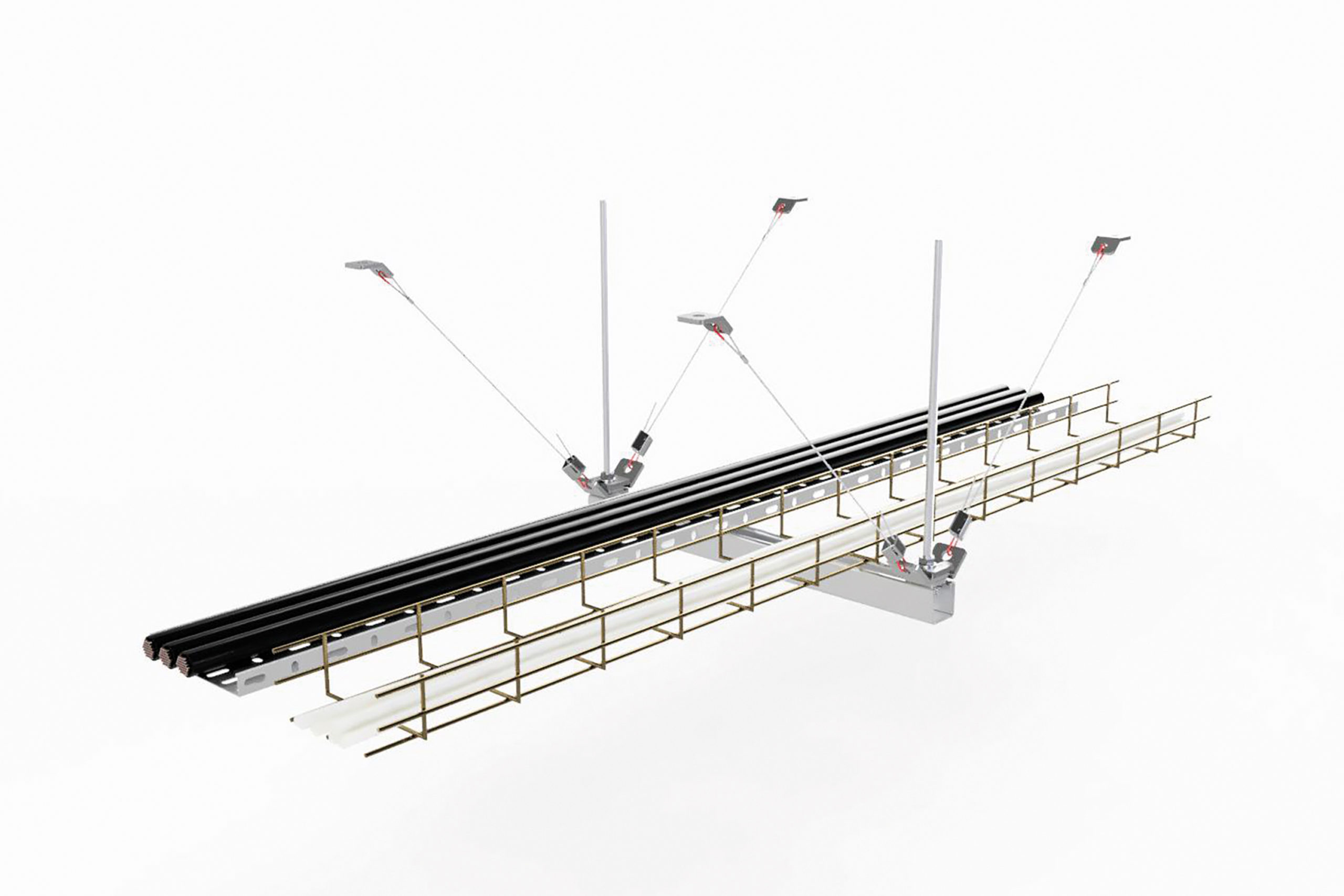
There are several benefits to bracing seismic structures. One of the primary benefits is improved safety for occupants. By reinforcing a building with bracing elements, the risk of structural failure during an earthquake is significantly reduced. This can help protect the lives of those inside the building and minimize the potential for injuries.
Another benefit of bracing seismic structures is the preservation of property and assets. Earthquakes can cause extensive damage to buildings, leading to costly repairs and reconstruction. By implementing bracing elements, building owners can minimize damage and reduce the overall impact of an earthquake on their property. This can help save money in the long run and ensure the longevity of the building.
In addition to safety and property protection, bracing seismic structures can also improve the overall performance of a building. By enhancing the structural integrity of a building, bracing elements can help improve its ability to withstand various types of loads, including wind, snow, and seismic forces. This can result in a more durable and resilient structure that is better equipped to handle extreme conditions.
There are several different types of bracing elements that can be used to reinforce a building against seismic forces. Braces are one of the most common types of bracing elements and are typically made of steel or other strong materials. Braces are installed diagonally between floors or walls to provide added support and stability to the structure.
Shear walls are another important type of bracing element used in seismic design. Shear walls are vertical walls made of reinforced concrete or masonry that are designed to resist lateral forces, such as those generated by an earthquake. Shear walls are typically placed in strategic locations throughout a building to help distribute seismic forces and minimize damage.
Moment frames are also commonly used in bracing seismic structures. Moment frames are rigid connections between beams and columns that provide additional strength and stability to a building. Moment frames are often used in conjunction with braces and shear walls to create a robust and resilient structural system.
In addition to these bracing elements, there are other strategies that can be used to further enhance the seismic performance of a building. This may include the use of base isolators, which are devices that separate the building from the ground to reduce the transfer of seismic forces. Base isolators can help improve the overall stability of a building and reduce the risk of damage during an earthquake.
Overall, bracing seismic structures is essential for protecting buildings and structures in earthquake-prone areas. By implementing bracing elements and other seismic design strategies, building owners can significantly reduce the risk of structural failure and enhance the safety, protection, and performance of their buildings. Investing in bracing seismic structures is a smart and proactive way to ensure the resilience and longevity of a building in the face of seismic activity.